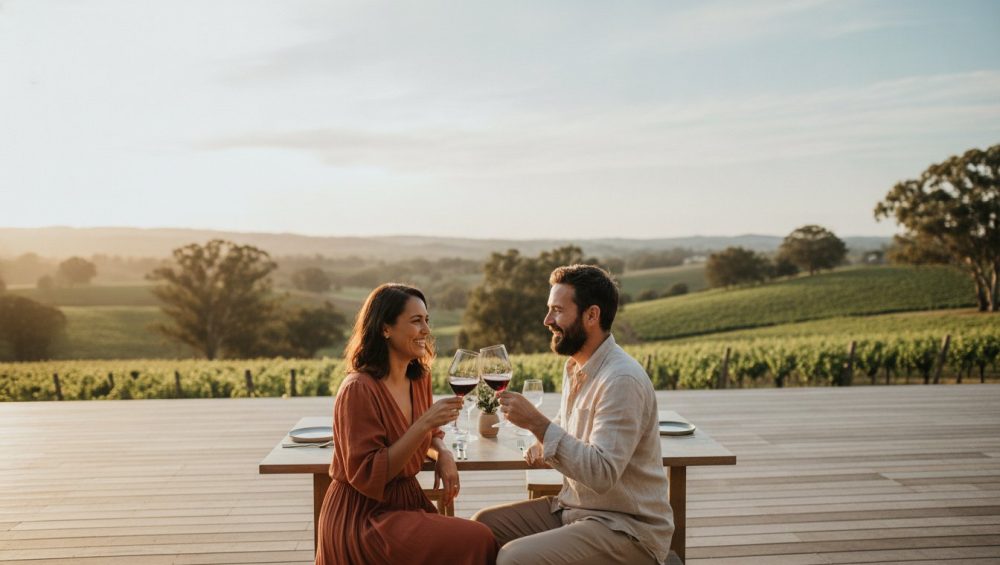
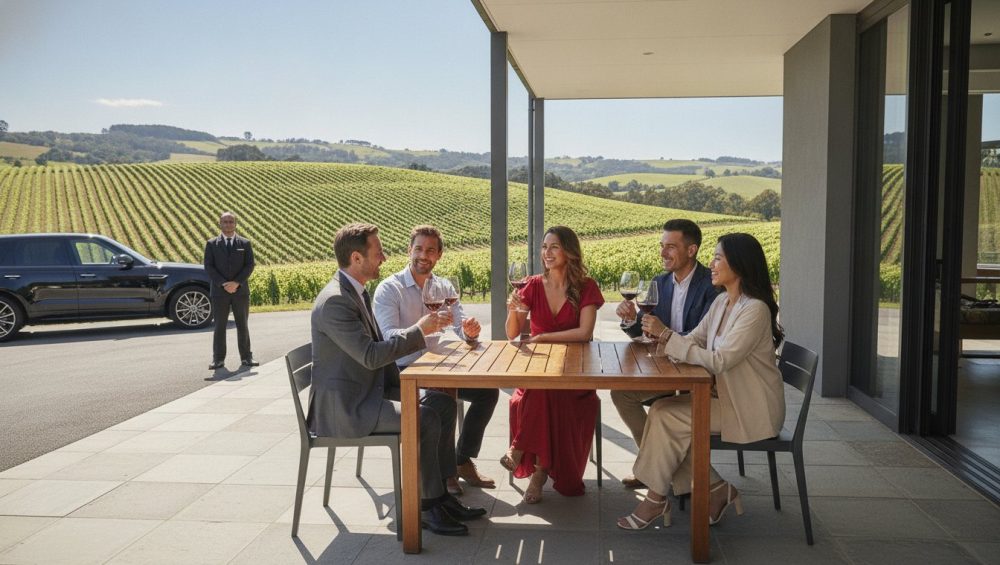
Discover Our Yarra Valley Premium Wine & Dine Tour
The Ultimate Checklist for Planning a Hen Party Wine Tour on the Mornington Peninsula
Picture this: you’re trying to coordinate twelve best friends, four conflicting dietary requirements, and a ticking clock, all while hunting for a cellar door that isn’t a crowded tourist trap. It’s enough to make any maid of honour reach for the gin before the day even begins. Planning a hen party wine tour Mornington Peninsula style should be about indulgence and laughter, not the logistical nightmare of herding cats or debating who has to stay sober to drive.
We know you want more than just a bus ride. You’re after that perfect, Instagrammable balance of coastal sophistication and relaxed luxury. You deserve a day where the transport is seamless, the wine is world-class, and every detail feels like it was made just for your bride-to-be. This guide is your roadmap to a bespoke celebration in Victoria’s premier wine region, designed to eliminate the guesswork and keep the focus on the bubbles.
From securing exclusive access to boutique estates to managing guest lists without the headache, we’ve thought of everything. We’ll show you how to curate a sophisticated itinerary that flows effortlessly from the first pour to the final sunset view. Get ready to organise a day that is as stress-free as it is unforgettable.
Key Takeaways
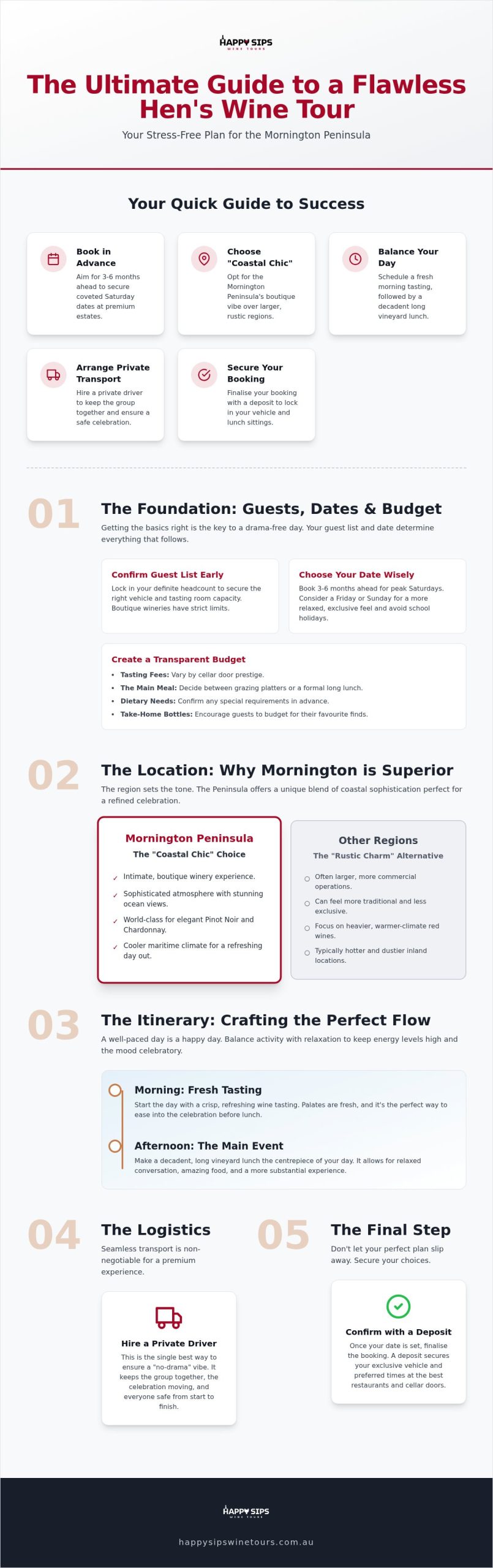
- Confirm your final guest list early and aim to book 3-6 months in advance to snag the most coveted Saturday dates at premium estates.
- Opt for the Mornington Peninsula’s “coastal chic” vibe for a more intimate, boutique experience compared to larger, rustic wine regions.
- Balance your day by scheduling a fresh morning tasting followed by a decadent, long vineyard lunch as the main event.
- Ensure a seamless hen party wine tour Mornington Peninsula by hiring a private driver, keeping the group together and the celebration safe.
- Finalise your booking with a deposit as soon as your date is set to secure exclusive vehicle access and your preferred lunch sittings.
Step 1: The Foundation — Guest Lists and Dates
The first step in planning your hen party wine tour Mornington Peninsula is all about the numbers. It sounds simple, but your guest list is the engine that drives every other decision. Most boutique wineries in the Mornington Peninsula wine region have strict capacity limits for group tastings. If you show up with fifteen guests when you booked for ten, you might find yourselves sipping on the lawn instead of at the tasting bar. We want you at the heart of the action, not looking through the window.
Get those “definites” locked in early. Knowing your exact headcount allows you to secure the perfect vehicle size. Whether it’s a sleek van for an intimate group or a larger coach for the whole squad, the right ride keeps everyone together. Splitting the group into two different cars is a fast way to kill the vibe. It’s much better to have everyone laughing in one space as you move between the vines. It makes the journey just as fun as the destination.
Choosing Your Date Wisely
Timing is everything when you’re chasing the perfect Saturday. For peak season dates, you’ll want to start your planning at least three to six months in advance. The best venues in Red Hill and Main Ridge fill up fast. If you’re looking for something a bit more exclusive, consider a Friday or a Sunday. These days often offer a more relaxed feel where staff have more time to share their secrets about the latest vintage.
Keep an eye on the 2026 Victorian school holiday calendar. Avoiding these busy periods, along with major public holiday weekends, means less time stuck in traffic and more time enjoying the bubbles. A little bit of foresight goes a long way in keeping the day stress-free and sophisticated. We’ve thought of the logistics so you don’t have to.
The Budget Breakdown
A transparent budget is a maid of honour’s best friend. When you’re calculating costs for your hen party wine tour Mornington Peninsula, look beyond just the transport. You’ll need to factor in a few key elements to avoid any awkwardness when the bill arrives.
- Tasting fees: These are often separate from the tour cost. They vary depending on the prestige of the cellar door and the rarity of the wines being poured.
- The Main Event: Decide if your group prefers a casual grazing platter or a formal, multi-course long lunch at a hatted restaurant.
- Dietary Needs: Confirm any GF, vegan, or allergy requirements now. High-end Peninsula restaurants are incredibly accommodating but need this info well before you arrive.
- The “Must-Buy” Fund: You’ll almost certainly find a Pinot Noir you can’t live without. Encourage the girls to set aside a little extra for a few bottles to take home.
Setting these expectations early ensures a seamless experience for everyone. When the costs are clear from the start, you can focus on the celebration rather than the spreadsheet. A bit of early organisation makes for a much happier bride and a completely drama-free day.
Step 2: Why Mornington Peninsula is the Superior Hens Choice
Choosing the right region is the difference between a standard outing and an elite experience. While some might push the rustic charm of the Yarra Valley, the Mornington Peninsula offers a level of “coastal chic” that is hard to beat. It’s the perfect setting for a hen party wine tour Mornington Peninsula style. You get the sophistication of world-class vineyards paired with the refreshing energy of the ocean. It’s more than just wine; it’s a lifestyle choice that suits a refined celebration.
The geography here is unique. According to official Mornington Peninsula tourism resources, the region is defined by its maritime climate. This means you’ll enjoy a cooler breeze and stunning blue horizons as you move between cellar doors. It’s an environment that feels exclusive and airy, making it ideal for groups who want to avoid the heat and dust of more inland regions.
The Cool-Climate Varietals
For those with a refined palate, the Peninsula is a treasure trove. The region is famous for its premium Pinot Noir and elegant Chardonnay. These aren’t your typical heavy, jammy reds. Instead, you’ll find delicate, complex flavours that are perfect for a long afternoon of sipping. The local Pinot Noir is world-class, offering a silky texture that pairs beautifully with a vineyard lunch. If your group prefers something crisp, the local Chardonnays and the rising popularity of Pinot Gris in the Red Hill area provide plenty of sophisticated options to explore.
Coastal Views and Instagrammable Spots
If you’re looking for that perfect group shot, this region delivers in spades. The aesthetic appeal of contemporary cellar doors like Pt. Leo Estate or Montalto is unmatched. These venues combine high-end architecture with rolling vineyard views that stretch toward Western Port or Port Phillip Bay. The scenery provides a natural, high-end backdrop for photos without feeling forced or tacky. It’s about capturing those genuine moments of laughter against a landscape of silver-green vines and deep blue water.
For a truly bespoke experience, many groups choose to mix their wine discovery with a touch of wellness. The proximity to the coast allows for a seamless transition from a morning at the hot springs to an afternoon of tasting. It’s this versatility that makes the Peninsula the superior choice for a modern hens celebration. If you want to combine relaxation with indulgence, a Mornington Peninsula Private Hot Springs & Wine Tour offers the ultimate “no-drama” itinerary for your squad.
Step 3: Crafting the Perfect Bespoke Itinerary
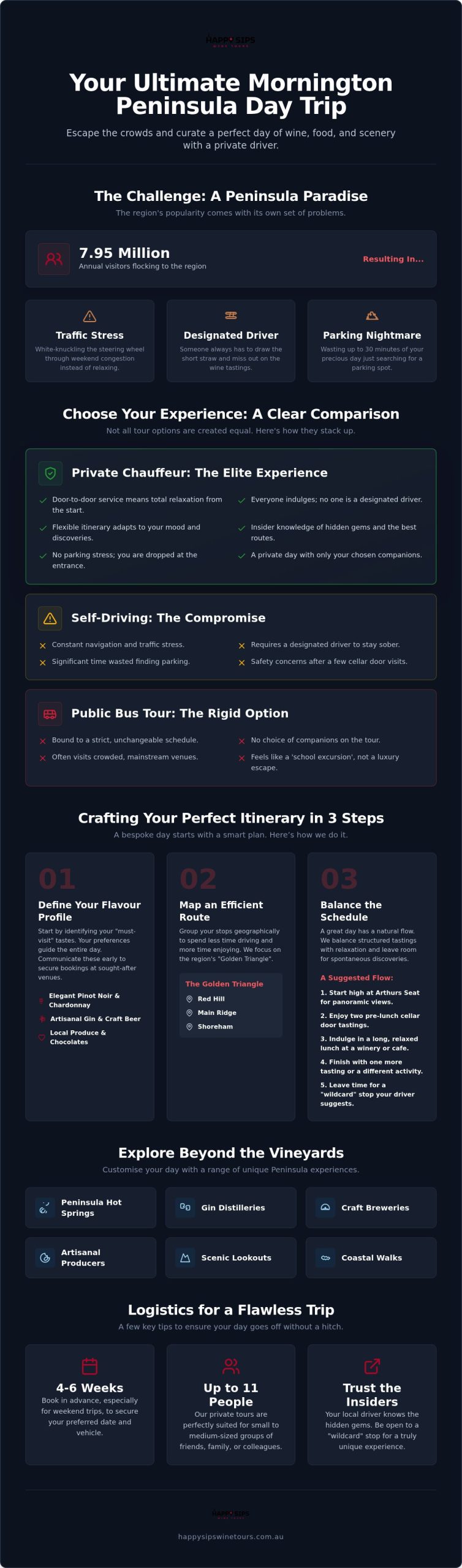
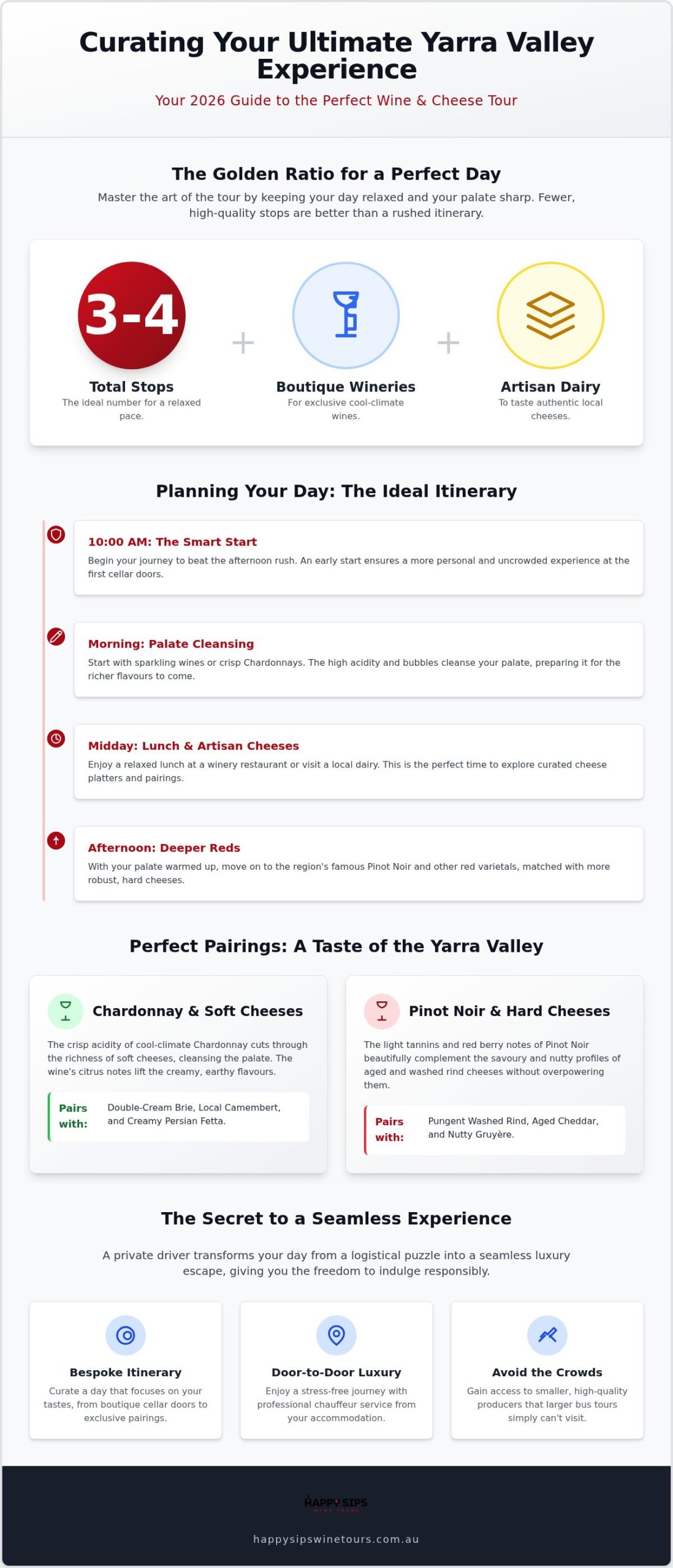
A successful hen party wine tour Mornington Peninsula isn’t about rushing from one bar to the next. It’s about the rhythm of the day. We recommend starting with a focused tasting around 10:30 am. This is when your senses are sharp and the cellar doors are still quiet, allowing your group to actually hear the stories behind the vintage. From there, move towards a decadent long lunch at a hatted vineyard restaurant. This is the anchor of your celebration. It’s where you’ll spend two or three hours indulging in local produce and sharing stories over several courses of refined, seasonal flavours.
Beyond the Vine: Gin and Cheese
Not everyone in the squad is a wine purist. The official Mornington Peninsula tourism website highlights a booming craft spirits scene that adds a modern twist to any itinerary. A stop at a local gin distillery offers a refreshing, botanical palate cleanser between vineyards. If the bride is a foodie, a visit to Main Ridge Dairy for a cheese tasting flight is essential. Sampling award-winning goat’s cheese while overlooking the paddocks provides a tactile, grounded experience that balances the sophistication of the wine tastings. It’s these small, thoughtful additions that turn a standard tour into a bespoke journey.
The Ultimate Hens Duo: Hot Springs and Wine
For the ultimate luxury, consider the private hot springs and wine tour. This combination is the gold standard for a refined hens day. We often suggest starting with a morning soak to truly relax the group before heading to the wineries. It sets a peaceful, inclusive tone for the day. If you choose this route, pack a small spa bag with swimwear and a change of clothes. This ensures a seamless transition to the afternoon’s more polished cellar door visits without any logistical stress.
End the day on a high note. Rather than a frantic dash back to the city, aim for one final glass of bubbles as the sun begins to dip over the coast. Whether it’s a hidden coastal lookout or a quiet corner of a vineyard, that last toast is what your guests will remember. A bespoke hen party wine tour Mornington Peninsula means you aren’t tied to a bus driver’s rigid clock. You have the flexibility to linger where the vibe is right, ensuring the day feels like a celebration, not a commute.
Step 4: Logistics, Transport, and the “No-Drama” Vibe
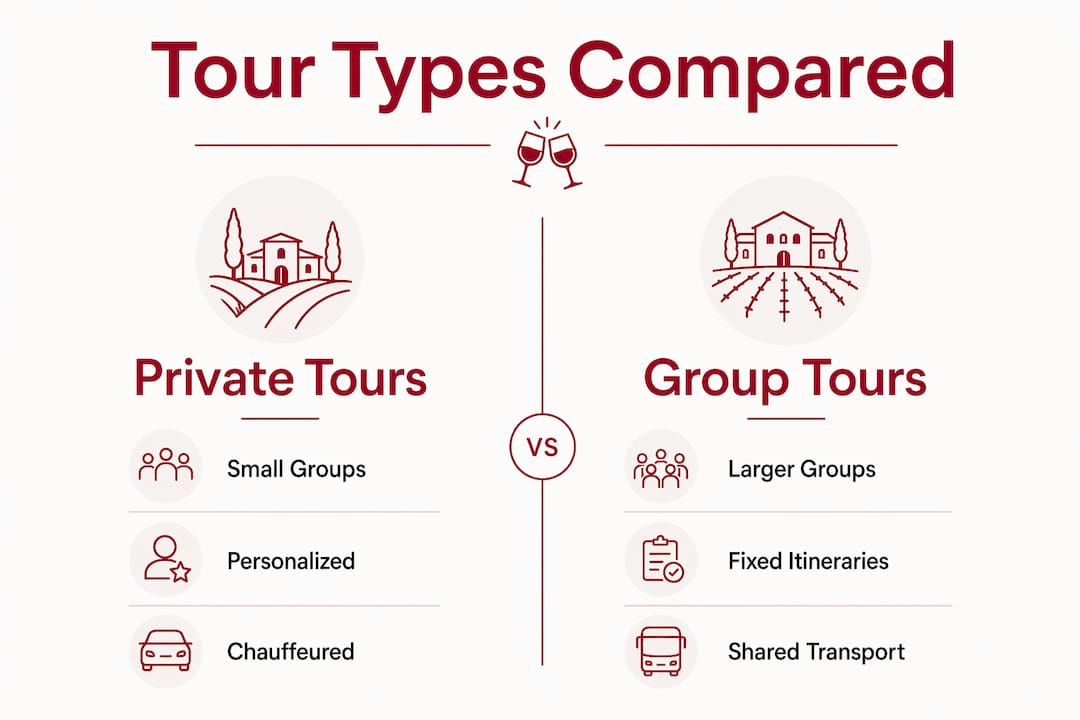
The secret to a flawless day isn’t just the wine; it’s how you get there. Logistics are the invisible thread that holds your celebration together. For a truly sophisticated hen party wine tour Mornington Peninsula, a private driver is non-negotiable. Forget the logistical headache of public transport or the “party bus” stigma of a crowded shared tour. You want a seamless, door-to-door experience that starts the moment you leave your front door. Whether you’re staying in local Peninsula accommodation or need a pick-up from the Melbourne CBD, professional transport ensures the energy never dips.
A local expert behind the wheel is your greatest asset. They know the back roads of Red Hill and Main Ridge, allowing you to bypass the heavy weekend traffic that often clogs the main thoroughfares. This means more time spent at the cellar door and less time looking at the bumper of a tourist coach. It’s about maintaining that relaxed, exclusive atmosphere from start to finish.
The Safety and Comfort Factor
Safety is the foundation of any great hens day. By hiring a private chauffeur, you eliminate the “designated driver” blues. No one should have to miss out on the tastings because they’re stuck behind the wheel. Everyone gets to enjoy the bubbles, the gin, and the scenery in equal measure. A modern, chauffeur-driven vehicle offers a level of luxury that Ubers simply can’t match. It keeps the whole squad together in one space, fostering group cohesion and shared laughter rather than splitting the party across multiple cars. If you’re looking for deeper logistics advice, check our guide on private group wine tour Melbourne for more expert tips.
Personalising the On-Board Experience
Your transport should feel like an extension of the party. We encourage you to curate a custom playlist to keep the “hens vibe” going between stops. It’s a small touch that makes a huge difference in the group’s mood. You can even add a few classy decorations to the interior to surprise the bride, just keep it elegant to match the sophisticated Peninsula backdrop. Hydration is also key to a long day of indulgence. Ensure there is plenty of chilled bottled water on board to keep everyone feeling fresh between venues. It’s these thoughtful details that transform a simple ride into a premium experience.
Ready to lock in the perfect ride for your squad? Our professional drivers are ready to handle the roads while you handle the Pinot. Book your Mornington Peninsula Private Wine Tour today and experience the difference of a truly bespoke service.
Step 5: Final Countdown — Booking and Confirmation
The finish line is in sight. Now it’s time to turn those meticulous plans into a reality. Once you’ve settled on your dream date, lock in your private tour operator immediately. High-end venues and premium transport in the Red Hill area are in high demand, especially on Saturdays. Paying your deposit isn’t just a formality; it’s the move that secures your specific vehicle and that coveted long lunch sitting. Without it, your preferred itinerary is just a wish list. Aim to have this settled at least three months out to avoid disappointment during the busy spring and summer seasons.
As the date approaches, the finer details become critical. Confirm your final guest numbers exactly 14 days before the event. This timeframe is standard for most Peninsula venues and allows for any last-minute adjustments to the vehicle size or restaurant bookings. Once everything is set, send a final itinerary to the whole squad. Everyone should know the pick-up time, the dress code, and the general flow of the day. Clear communication is the best way to ensure a “no-drama” vibe for your hen party wine tour Mornington Peninsula from the moment the first cork pops.
The Happy Sips Difference
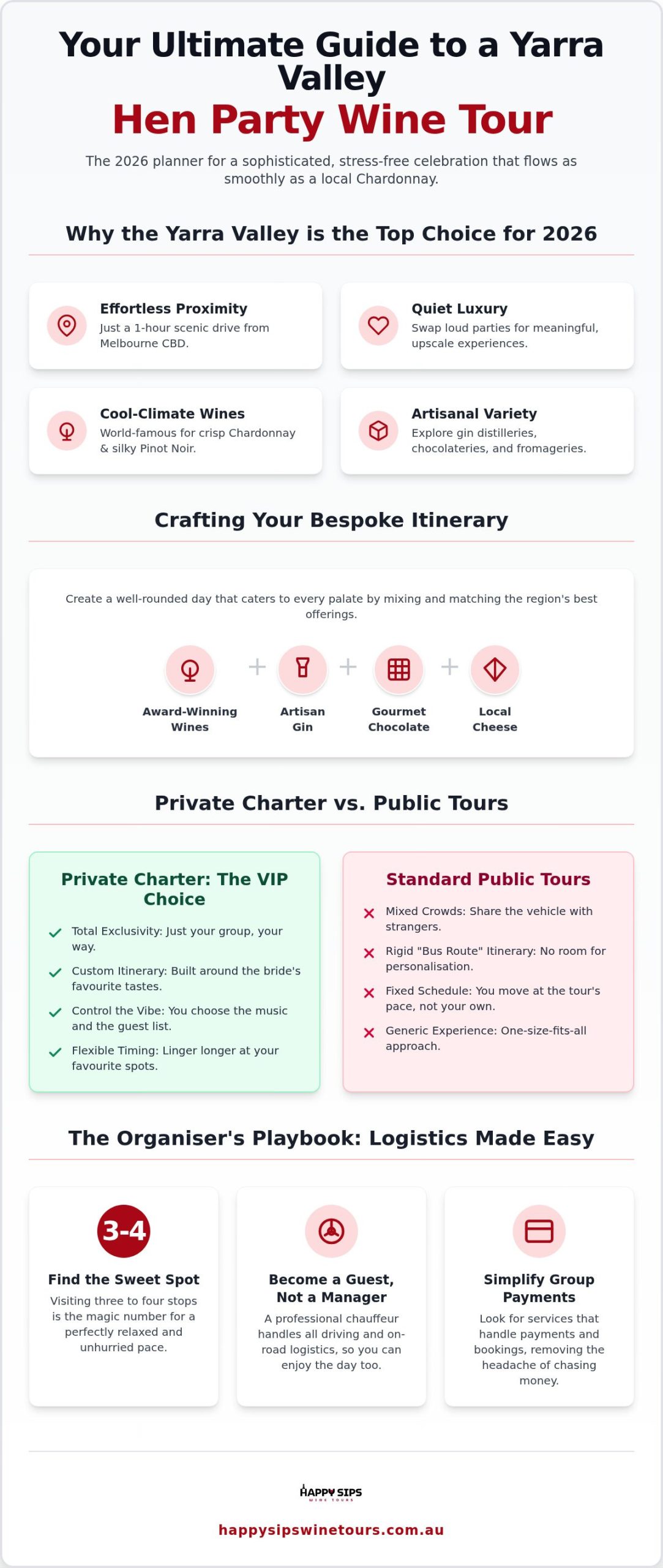
Choosing a family-owned, Melbourne-based expert makes a world of difference for your celebration. Unlike national aggregators who treat your booking as a line on a spreadsheet, we provide a Mornington Peninsula private wine tour that is genuinely tailored to your group’s personality. We know the owners of the cellar doors and the best coastal lookouts for that perfect group photo. We handle the “little things,” such as re-confirming dietary requirements and coordinating with the venues, so the Maid of Honour can actually relax. You should be a guest, not a coordinator.
Last-Minute Checklist
A few days before you depart, do a quick weather check. Even in the height of summer, the Peninsula can be unpredictable. Advise your guests on footwear; those stunning vineyards can be soft underfoot, so stilettos might not be the best choice for a walk through the vines. Finally, confirm the pick-up address and time with your chauffeur one last time. If you’re still weighing up your options between coastal chic and inland charm, take a look at our hen party wine tour Yarra Valley guide to see which region fits your bride’s personality best. A little preparation ensures the day is as seamless as the premium Pinot you’ll be sipping.
Ready to Toast the Bride?
Organising a flawless celebration comes down to a few key choices. By locking in your date early and opting for a private, chauffeur-driven experience, you remove the logistical weight from your shoulders. A hen party wine tour Mornington Peninsula should be an effortless blend of world-class cool-climate wines, stunning coastal backdrops, and genuine connection with your closest friends. You’ve done the hard work of gathering the squad; now it’s time to enjoy the reward.
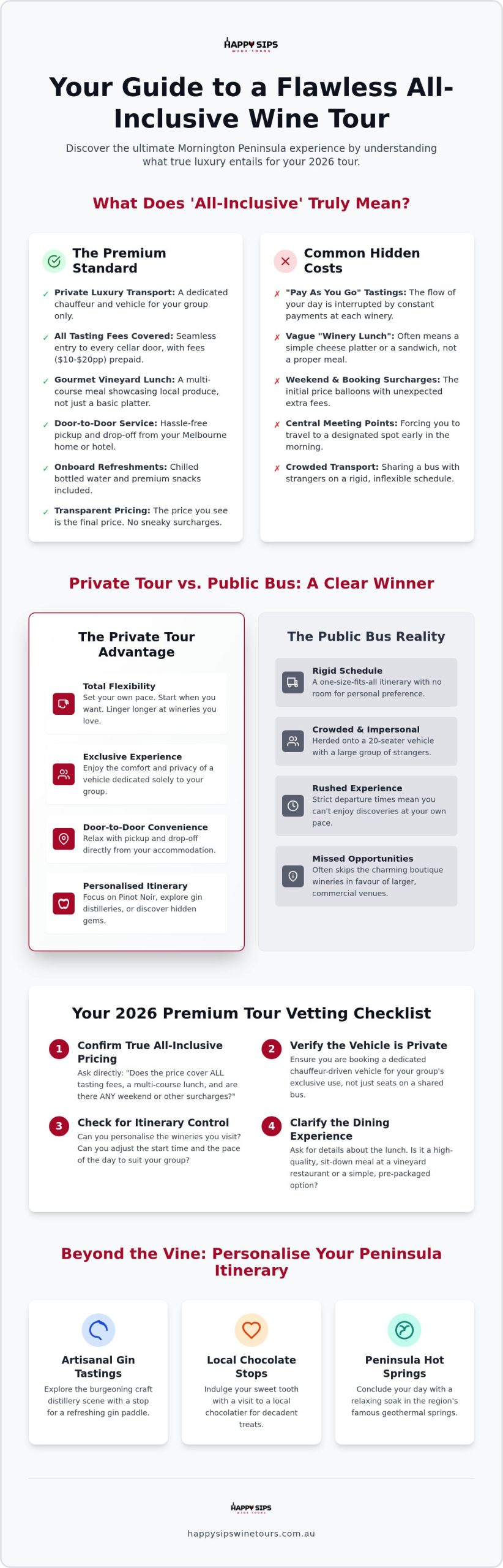
Don’t leave the bride’s big day to a rigid public schedule or a crowded shared bus. As family-owned, Melbourne-based local experts, we specialise in exclusively private tours that put your group’s needs at the very centre of the story. From bespoke itinerary design to seamless door-to-door transport, we’ve thought of everything so you don’t have to. You deserve a day that feels as premium as the vintage in your glass.
Enquire about your bespoke Mornington Peninsula Hen Party today and let’s start crafting an unforgettable coastal celebration. Your perfect afternoon in the vines is waiting for you.
Frequently Asked Questions
How much does a hen party wine tour in Mornington Peninsula usually cost?
The total cost for your celebration depends on several factors, including your final guest numbers, the type of vehicle required, and your chosen inclusions. You should factor in the cost of the private chauffeur, individual tasting fees at each cellar door, and your preferred lunch style. Private tours offer excellent value for squads, as costs are shared across the group, providing a high-end experience without the luxury price tag.
Can we customise the wineries we visit on a private tour?
Yes, bespoke itinerary design is one of the primary benefits of a private experience. You can hand-pick your favourite estates or let a local expert suggest hidden gems that suit the bride’s palate. Whether she prefers a boutique organic vineyard or a grand architectural estate, the day is built entirely around your group’s desires. This ensures a hen party wine tour Mornington Peninsula experience that feels personal and unique.
What happens if some guests don’t drink wine?
The Peninsula is an incredibly versatile region that caters to everyone. We can easily incorporate stops at local craft gin distilleries, cider houses, or the Main Ridge Dairy for a cheese tasting flight. Many groups also choose to include a relaxing soak at the hot springs. Most premium wineries now offer sophisticated non-alcoholic tasting options and mocktails, ensuring that every guest feels included in the celebration regardless of what’s in their glass.
Is there a minimum or maximum group size for a private hen party tour?
Private tours are highly flexible and can accommodate everything from intimate gatherings of six to larger groups of twenty or more. We match the vehicle size specifically to your headcount, ensuring the whole squad stays together in a single, luxury chauffeur-driven coach or van. This keeps the energy high and ensures no one is left behind in a separate car, making the journey just as much fun as the destination.
Do we need to book winery tastings ourselves or does the tour operator do it?
Your tour operator handles all the heavy lifting, including venue bookings and precise timing. This removes the stress of “herding cats” from the Maid of Honour’s to-do list. We coordinate with the cellar doors and restaurants to ensure a seamless flow between stops. You won’t have to worry about checking opening hours or managing a schedule; you simply show up and enjoy the day with the bride.
What is the best time of year for a Mornington Peninsula wine tour?
Spring and summer, from September through to March, are the most popular times for those wanting coastal sunshine and outdoor vineyard lunches. However, autumn is a stunning time to visit Red Hill. The vines turn vibrant shades of gold and orange, the crowds are smaller, and the cellar doors often provide a more intimate, behind-the-scenes feel. Each season offers a different but equally sophisticated backdrop for your hen party wine tour Mornington Peninsula.
How long does a typical hen party wine tour last?
A standard full-day tour generally spans between six and eight hours. This timeframe allows for a relaxed morning start, a decadent long lunch, and visits to three or four different venues without feeling rushed. We design the rhythm of the day to ensure you have plenty of time to linger over your favourite Pinot Noir. The goal is a celebration that feels effortless and indulgent from the first pick-up to the final drop-off.